
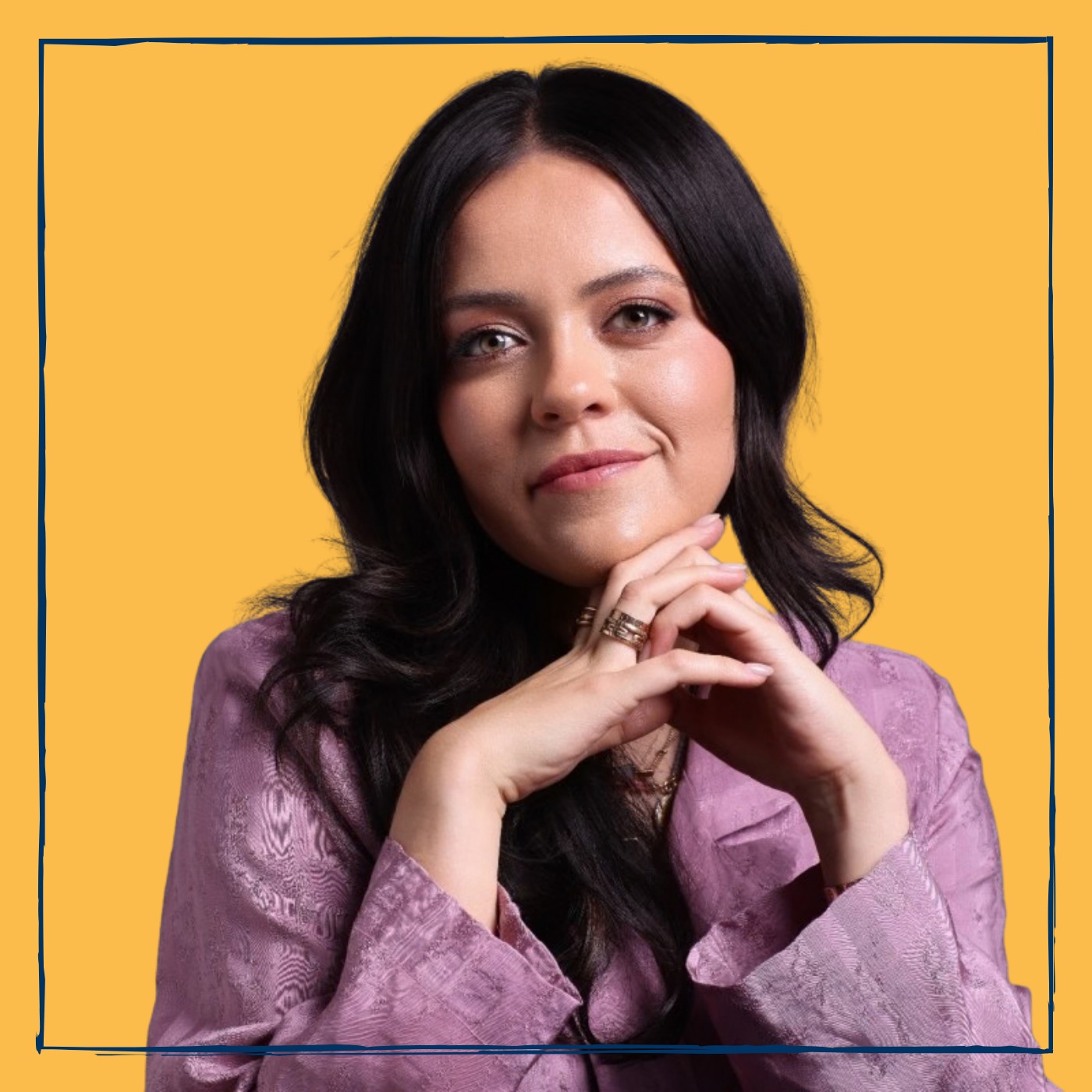
Leading People Series: Investing in Leadership: Lessons from Ana Carolina Mexia, Co-Founder of Nido Ventures
Leading People Series: Investing in Leadership: Lessons from Ana Carolina Mexia, Co-Founder of Nido Ventures
0:00 / --:--On this episode of the Here@Haas podcast, we sit down with Ana Carolina “Caro” Mexia, Co-Founding Partner at Nido Ventures and Forbes 30 Under 30 honoree.
Born and raised in Mexico City, Caro blends her roots in computer science and product leadership with an MBA from Stanford to spot and support the next generation of transformative B2B technologies.
Nido Ventures was founded to bridge the technology gap between Silicon Valley and Mexico's foundational industries. What began as an angel syndicate has evolved into a pre-seed fund backing B2B startups at the intersection of U.S. technical innovation, Mexico’s industrial strengths, and the region’s growing nearshoring opportunities.
In this conversation, Caro joins Haas MBA student Taylor Dahlgren as they dive into how venture capitalists identify and evaluate the qualities that inspire confidence in founders and dig into what great leadership looks like from an investor’s perspective.
*Here@Haas Podcast is a production of Haas School of Business and is produced by University FM.*
Episode Quotes:
On The "Healthy Delusion" of Founders
We have to find founders that have a healthy dose of delusion, but that are also rooted in the reality of the operation of what has to be built... We are always looking for the kind of leadership that that particular industry needs.
On Team Dynamics and Red Flags
One common pitfall is founders that have a team that they don't respect. If they don't respect the rest of the team, it becomes a one-man show. If I were to have tried to do everything myself, I would have died. You have to be able to trust.
Advice for MBAs: Keeping Your Authenticity
I lost a little bit of what I would say was my essence during the MBA. Be truthful to yourself of what it is that you want to get, because you can end up becoming more lost than finding things.
Show Links:
Transcript
Auto-generated from audio — may contain errors. Always trust the episode itself.
Welcome to Leading People, a special series on the here at Hoss Podcast. I am Taylor Dorgren, a Hoss MBA student, and your host for this episode. Today, we're joined by Anna Karolina Mejia, Go Finding Partner at Needle Ventures, and a Forbes 30 under 30 Honor E. Born and raised in Mexico City, Karo combines a background in computer science and product leadership with an MBA from Stanford to identify and invest in the next generation of beautiful technologies. Need of ventures was founded to bridge the technology gap between Silicon Valley and Mexico's foundational industries. S.
technical innovation with Mexico's industrial strength and growing new Australian opportunities. In this episode, we'll explore how venture capitalists like Caro, Cato, identify and evaluate the qualities that inspire confidence and founders and dig into what great leadership looks like from an investor's perspective. Cato, thank you so much for joining us today. We're excited for having me.
Love you forward to this.
Wonderful. To kick things off, do you mind sharing a little bit about your journey from engineering and product roles to becoming a co-founding partner at needle ventures?
Yes, I always love this question because I think my journey into becoming a ventricopitalist was not a traditional one and if you would have asked me seven years ago, if I would become a ventricopitalist, I would have said a stark No, and I don't think that was a part of my identity back then, but I was always an engineer at heart, growing up, I always took I had the chance to take CS classes in high school, which took me on my journey to study computer science.
I studied computer science because I've always liked to build, and I come from a family where technology was a super important part of our lives. My dad was an entrepreneur. And thanks to technology, I've had the opportunities that I've had. So I think technology has always been at the core of who I am. So I thought being a computer scientist was the way to go. I really loved it. It was really difficult. It was a really difficult thing to study. But I'm really grateful that I did.
And my journey started at LinkedIn where I was a software engineer and I was a software engineer in a very interesting team which was a more of like a back-end platform team. And so I always loved product as well and because it was a back-end team we didn't have a lot of product help. So I was able to play a double role in engineering and product, which was awesome. And so one thing took to the other and my life at LinkedIn was too good.
I was at LinkedIn at the time where You know, it was like the TikTok day in the life of a thinkton engineer and you would just show breakfast lunch and dinner and I knew that if I didn't leave LinkedIn then it would become very difficult to leave it later in my career. I was very young at the time and it was just I knew that it was going to become more and more difficult and so I was at the point where I knew I wanted to become an entrepreneur, I didn't know in what. So my response to what to do was to apply to an MBA and try to figure, try to use the MBA to try to figure that out.
But what ended up happening was that in the process between when I applied to the MBA and I got in, we started angel investing. And I say, we, because I think this journey wouldn't have been possible without my co-founder Maria, who I actually met in undergrad. And we both lived in San Francisco after college, so she was working at Tesla and Apple. And we were both kind of on the same journey of, we want to build something for ourselves, we want to build something of the intersection of Mexico and the US, but we really didn't know what.
And so it was incredible to just, we decided to just start angel investing to see what was out there and where the opportunities were. And what we ended up realizing was that there were no technical investors Latin America. In particular, Spanish-speaking Latin America.
But we'll do that. We'll dig into that in a fellow conversation. It all sounds like you we follow to really interesting and inspiring path and each chapter kind of led to the next one. Can you dig into needle adventures and tell us a little bit more about what makes it unique in the venture capital landscape beyond just being one of the first technical and BC firms investing in like Spanish speaking Latin America.
Yes, and I would say a couple of things. The first one is definitely our edge in the fact that we understand how Silicon Valley works, because so many startups, they can get funding from Latin America for their initial rounds or for their pre-seed, their seed, their series A. But beyond that, they almost always have to come to the US to raise money. And so for us, that connection between both worlds was super important. But I think what has become our edge more and more in the past few years is our connection to corporates. So our thesis is B2B companies transforming traditional industries.
So our idea is that there's incredible technology that's being built in Silicon Valley that really large corporates in Mexico and Latin America can't do use. So to give you an example, if you were to want to use snowflake or data breaks, which are these incredible data platforms, you need to, you need 10 data scientists to manage them.
And these large corporates in Mexico don't have them, you know, a lot of them are manufacturing metal or literally making shoes, and so there's a huge gap and for us, part of the investments that we do are in people who understand the nuances of the traditional industries, but that also want to build technology that's innovative and like wants to get into them. So that we kind of bridge that gap, and I would say that that's our main differentiator, and that there's still no one out there in the market that does. is something similar.
And in the part about the fact that we're technical, in the past three years, there still are no funds with technical managing partners, especially out of Mexico. There's a couple out of other places, but not in Mexico.
Sounds like you really found your niche. So shifting gears a little bit to talk a little bit more about your work with founders, you've probably seen a huge range of leadership styles, so we'd love to hear a little bit more about when you're evaluating founders, what traits typically signal that someone has the leadership ability to scale a company successfully.
Yeah, I love that question, but it's a really hard one because we invest in companies when they barely exist. So we invest at the precede. Sometimes it's a solar founder, which now we don't really love and I can go more into into why, but it's normally just a small team and an idea and a passion for building something. And so I think we have to find founders that have a healthy those of delusion, but that are also rooted in the reality of the operation of what has to be built. And so when we're looking for founders, we're looking for teams where you have a person that can really think big.
And then people are another person that can really be like, but this is a reality of what needs to be done in the next year or in the next six months, it's not an easy one. And I would say, people will always tell you, like, no, it's all about the founder. And it is, but it's also about the founder market fit. So when we're looking to look at what we're looking for leadership styles, part of what we think about is, is this the right person to build for this industry.
So to give you an example, if you are going to build software for the metals industry in Mexico, like you have to be able to like, pre-years would suit on and go to the golf club and sit down and negotiate. Like a scrappy, like San Francisco founder is not going to be able to sell to the people that they need to sell. And so we're always looking for the kind of leadership that that particular industry.
needs, but I would say that the best founders in our portfolio are all founders that respect the work that they're doing and like they have this ambition and are incredibly driven but they also know that it's hard and they're like rooted in the fact that it's hard and so we sometimes get to see founders that are just way over excited. This especially happens with like second time founders, where they're like okay, Now I've figured it out. Now I can make this work and I can put so much foam on.
And we ended up finding it a little more difficult to work with founders that already think that it's going to be easier because it's really not going to.
That's a really good segue into one of our next questions, which kind of relates or could relate to over excited founders. What kind of patterns do you notice among leadership teams who consistently build motivated high performing teams?
Yeah, one of our biggest values that need us transparency, and I think a lot of the leaders that are able to build like consistently good teams are their transparent leaders, you know, they're able to tell you the things for what they are, if that makes sense and and the other thing is just again having this quality of Knowing what they know and also really knowing what they don't know, I think the best teams that we have in the portfolio are teams where each of the co-founders really respect the area that the other is very capable in.
And also, I would say a lot of them, it's a thing of respect because it's also founders that respect us. And I think the founders that respect us the most are which just means that they're very smart and that they know how to handle human connection. And so that's where I think it's really tough because you do want founders to be a little delulu and like because if you're not a little delulu, there's no way that you're going to build a like an insane company. But at the same time you have to be like, okay, I know I need to know when to take a step back.
and be respectful and take opinions and that they know hard up. Also it's like they know hard to handle the opinions because that's also a problem that many founders can have is there's too many cooks in their brain. Trying to give them ideas and I think the very good ones are able to distill which ones are valid and which ones are not.
Yeah yeah so with that in mind what are some of the most common pitfalls that you see in early stage startups and what separates
Yes, so the first one is founders that have a team that they don't respect, and so let's say when you have a team where, you know, the CEO or like the CTO, like they're like it's like a one man show and like the rest of the team is kind of their performatively, and if they don't respect the rest of the team, then it becomes very difficult because there's so many things that need to be done. at an early stage start up like we even lived it as a fund that got started from scratch. It's you have to do back office and then you have to figure out your processes.
And if I were to have respected Maria's role and if I would have tried to do everything, I would have died literally because it's like so much work. And I think that that's one common pitfall that we see with founders is just when they there's a team that they don't respect. And then the other one, I'm sorry to sound repetitive, but it does go back to transparency.
I would say a lot of issues that have happened in companies in the portfolio, have to do with founders that, you know, they made a mistake and they are trying to cover it up or they decided that they're like, One way to do something, the rest of the team disagreed so they wanted to do it anyway. It just breaks the trust and at the end of the day, like when we talk to founders, it's both between co-founders and between founders and investors, kind of like getting married.
like you're getting in these relationships that if things worked out well, like if things worked out well with my founders, I'm going to be in our relationship with them for the next 10 years. Right. So it's like a really, really big one and I think sometimes people just get overly excited about the idea and find co-founders that yeah, find co-founders that are not necessarily a good fit. And the last caveat I'll give here is again, I work with founders when they're in like very, very small teams.
I think the challenges become very different once they need to, once they need to scale and I think that the founders slash she, she, is that are able to build teams that scale our founders that are adaptable. And that's also something that you look for in the like early stages of a company as they just need to be adaptable and flexible and know that the reality of today is going to be different to the Right.
Now, I'm going rogue a little bit with this question, but since you had mentioned it earlier and kind of offering consulting with a needle, how do you if you do work with founders and companies where you start to see them kind of leaning towards this like these pitfalls are starting to make those mistakes or maybe not respecting their teams like how do you how do you perhaps like it buys or mentor those founders to help get them back on track.
Yeah, so we, I mean, the first thing we do is when we see a founder like this in the beginning, like we can identify in the beginning, like okay, this is this has the tendency of becoming someone that will be a one-man show. Normally, you can really tell where the areas where they're not going to be strong yet are.
like even if they don't show them to you like you can tell and so if you have for example that very strong like business-minded founder what we do with them is like help them find because we normally don't help with hiring but in the case that we will help with hiring is when we when we know they need someone to complement themselves and so there's cases where it's just like okay we'll help you find someone that you are going to have to respect. You know that it's so senior that if, like, if you don't respect them, they're going to leave and you're going to end up without a product.
And so that's kind of what we do in the beginning, especially when they're starting to form the teams and there's like still important roles. When they already come as a package team, it's a lot harder because I think all of the, a lot of the, a lot of the like patterns have been pre. pre-established, but I would say honestly from the people that we've seen that have had a lot of team troubles, the companies have died.
Like, like, and we've tried to do the mentorships, there's founders that have like, replaced entire teams, and it just becomes so much harder, so that's something that we really evaluate in the beginning is like, okay, how well do they get along? Yeah, it sounds like you catch those red flags pretty early on. Yeah, sometimes it's getting easier, but it's hard because sometimes and one thing a lot here that I think is super important to consider is sometimes life gets in the middle.
You know, we have incredible founders who got a divorce and that became super tough or someone in their family had a medical emergency. Like, these are things that you can't anticipate and you can't anticipate how people are going react during them and I think that they're in like leadership style can completely change in that process and you understand. So yeah, yeah, people are a few minutes at the end of the day.
Yeah, yeah, until I take silver, but for now, yeah, for the meantime, so talking about how you kind of meet new founders interpret you know, what their future could hold as both a founder and potentially a person. How do you navigate some of the potential biases that might come up, whether it's within your own experience or within your teams, when you're assessing founders and potential investment opportunities?
Yeah, so one thing that we have as a fund is we have a very streamlined process of and it's a process that we need to run with anyone who we are about like we are considering investing in and so that starts with just like and I'm just going to walk you through it because it's like a little fun, but it's just like it starts with an intake form and there's people who like don't want to fill out an intake form even though it takes literally two minutes and a half and so there's people who like really don't want to fill it out well that's kind of tells us something about.
how much they want to do that. And then we have a series of different calls that we take, but they're very streamlined and it's always the same process. So we don't do a lot of the things that other BCs do that it's just like, oh, I'm just going to go to a house and meet as many people as I can and try to see who's going to be. We have a much more like thesis driven, we do more thesis driven investments. Avoid biases because it's not just like, oh, I just met them and we like kid it off, it's more like, okay. Do they fit into like what we are looking for?
So that really helps us because we do have some guardrails. And then the last thing that we do is we never take calls with a team like all at once in the beginning. So in the beginning, it's always like a one-on-one conversation with either Renata Huzer Principal or Maria, who's the other co-founded partner, like we each take them separately because we each have also an area of expertise.
And so that way, like Maria and I, for example, we know each other's so well that if we were in this call, I would be able to tell what she's thinking, you know, see like those small cues and so we try to avoid them at least in the beginning. Then what we do at the end of the process is that we host a what we call a brainstorming session and the idea with that brainstorming session is to do kind of a roleplay of what it would be like to work together.
And so in that, what we pick is just like an issue, for example, if it's a company that's struggling with go to market, we pick, let's talk about go to market, and we pretend that we're on the same team, and that also helps with the biases, because we're all seeing the dynamic from different points of view, and we're all in the same room, and so we can really identify that, and going back to an earlier point, in that call is where you can really see the dynamic Yeah, they're the only one person to speak about. Yeah, because they've only one person to speak the entire brain.
So I mean, call you like, okay, this is the one one show. But that's how we try to do it. It's honestly hard because We, of course, want to avoid biases, but at the same time, we are looking for certain profiles. So I think when we find those profiles, we're like, okay, this is a, like, we have a bias for what we want to look for and what we don't want to look for. And if anyone gives us, for example, the vibes that they're not transparent from the beginning, like, that's just going to be an inherent bias that we're going to have.
All right, all right, fine line between bias and noticing patterns for us. Yeah. Yeah. Let's focus a little bit on another component of Vito.
I feel like we would be doing ourselves all the disservice if we didn't talk and dive a little bit deeper into what makes, you know, so distinctive, which is your cross-border approach, not needle ventures works across borders and cultures, which you mentioned this a little bit earlier in the conversation, but what kinds of strategies have you found most effective for fostering the trust and collaboration that's so critical in multicultural teams and working across borders?
Yeah. And it's not an easy one. It's not an easy one. And we see it even from our own fundraising. When we use fundraising, people don't get it. People are just like, if the AI, you know, AI in San Francisco, like, why would you miss out on that opportunity? And so for us, the first thing is to find people who are aligned and who get it. I think for a long time, we try to fight, you know, educating people and teaching them and we do do a lot of that. We actually create a lot of content.
We have a new starter that we write every week and what we try to do without its in English and we write about Mexico and about technology. So we try to bridge that gap but I think it's just finding that alignment from the beginning. I really important thing that we do look for in founders is language.
because sometimes there's founders who pitch incredibly well in Spanish and when they start pitching in English it becomes very difficult and again VC sadly is a on the same same CVC but every job is a sales job that hasn't hit you yet let it hit you because because it is a truth and the more senior you are, the more it is a sales job, but I think it shows you have to be able to communicate your story. And so in that brainstorming call that I mentioned, we always do it in English. For the startups that we invest in in the US, we see it much more as a market advantage.
So normally the startups that we invest in the US are startups where they're going to start in the US but they're going to need access to the Latin American. a market. So for example, we have a company that does AI report operations. And so for them, like the Mexican ports are incredibly important. So we serve as that like.
connective tissue to help connect them with those, with those sports, but at the end of the day honestly our goal is more to help elevate Mexico and Latin America and to help help them be ready to build global companies because they are building them, but there are certain things that they still need. access to and that's why we are still based in the US.
So my co-founder is in LA and I'm in San Francisco and part of the reason we're still here is because we need to be very well connected to the people who are here so that when we bring deals and everything they see them with a different lens and because it's different if you get like a cold inbound, like a cold, yeah, a cold outreach that if someone who you know introduces you to the deal it becomes different.
Right. Right. So it sounds like that like human and kind of like physical access is really important.
Yes. S. If I'm not here presently and you see it with a lot of the a lot of the VCs were in Latin America, like it just become more difficult and on the flip side it's not as hard because it's still a much smaller ecosystem. So we spend about a week of the month in Mexico and it becomes very easy to be tapped in because you go to a couple of events and everyone's there. Yeah, it's easier in that sense. Any chance you're going to Mexico Tech Week in a couple of weeks? We are. Yeah. We are. Yeah. We're going to be there.
Well, I'm just going to be there for two days because I have to come back to San Francisco for a conference, but my confounder will be there all week. Amazing. Yeah, easy.
Well, you also, you're sharing some tips and tricks like knowing that every job is a sales job, but also knowing that you have been in our shoes, having attended business school, and thinking about what kind of leader you wanted to become, what advice would you give to MBA students today who are hoping to make an impact in a multicultural, likely inevitably global business
Yeah, I think I love that question. I don't know if you've heard about the class that they teach at Stanford that's called Interpersonal Dynamics, and it's just a famous touch of Philly. Like I took that class and I thought it had changed my life. And then I came back to work with Mexicans and I was like, everything I learned, there does not apply.
You know it was like I learned that I interrupt a lot, but like in Mexico if you want to work you have to interrupt like it's just it's just a way in which the dynamic works and so for me it's just the main tip is do not take things personally and know that you know if someone like I love this quote that's like do no harm but take no shit like you know that there's people out there who like are mean and are like look but like most of the people are just trying to do their best right and like assuming that you know there if there's a miscommunication that it's not because they wanted to miscommunicate but it's more because there was something that was lost in the middle and really trying to dive deeper out getting at making that communication and making that communication better I think is.
It's super important. And I think trying to develop ways to be adaptable would be a really important one. And then the last one which was a very difficult for me because I think I lost a little bit of this while I was at the MBA was like my authenticity. I think being in an MBA environment like really kind of like starts putting you in a box.
and then everyone is just trying to be someone, you know, we're all just trying to like fit into a box of what being an MBA means or like what you know being like doing an MBA it has means or being and I think for me I spend a lot of time doing the MBA thinking about like wait what are people thinking about me and I lost a lot of what I would say was my essence and what made me myself and I would say just try to instead of lose that, try to really find what those parts of yourself are, that make you who you are and that it brought you to be able to do this MBA and to have this opportunity.
And know that, yeah, I don't know, I don't even, I'm getting a little, um, a little deep in this, but I do think that just trying not to lose that and not to lose your your way because I do think that the NBA. And I say it to everyone who asked me for advice of applying, it's just like make sure you know what you want to get out of it because you can end up becoming more lost in them finding things. And so yeah, that would be my main, my main piece of advice. Yeah.
That's really powerful. And I think resonates with all of us in the room right now. So I think we're in the thick of it and constantly asking ourselves what what it is that we want to get from this. So it's a good reminder.
And it can be anything you know. And I think that just being truthful to yourself of what it is that you personally want. Like for me, I knew that I wanted to start a company. Yeah. And I would realize that when you were in your program. So I came into the program. Yes. So basically, my mentality was I'm doing an MBA because I need to gain more business skills to be able to actually start a business. I'm very technical. And I knew that if I by the end I didn't start a business, I would be disappointed.
I think where it really hit me was when I had to start looking for summer internships, where I was like, I can't go look for a summer internship at Google. You know, I used to work at LinkedIn. If I'm doing that, where is all the money that I'm in my own? But I'm very like that. Like I would say I get to intense about what I want to do. But it did become difficult in the second year when we were already doing the fund because we were missing out on a lot of other things.
And I remember vividly the worst thing that I hated what people told me this, they were always like, oh, I haven't seen you or have you been, I'm like, you know where I've been in front of my computer working, like, and so I think, but so But I think the fact that I knew exactly where I wanted to go made it a lot easier It didn't make it easy, but it made it a lot easier, so I think But you know there's people who are just there because they needed they wanted to make some new friends or they wanted to move to a new country or And it's okay, it's just like really knowing and staying at truthful to what it is for you Because for example, if you want to make a lot of friends then maybe you shouldn't be joining 7-10,000 clubs And like putting so much work on your blade, like I don't know, this is, it's just a personal perspective.
Now, it's really helpful and I think it's, it's a comment topic, you know, I think in recent conversations we've both like in and outside of class, we've been talking a lot about authenticity, finding what is your north star, like figuring out what drives you beyond just your next job. But I think you kind of, you know, you know, you're not going to be able to do that, you know, using that internship story is like, almost a stress test. You're like, no, no, I can't be chasing an internship.
Like, I have this state that I came here to do, and I'm going to do it, yeah, which is really inspiring. Well, this has been a really incredible conversation, and we really appreciate you sharing your journey and talking a little bit more about what leadership looks like in action, especially in the venture world.
Yeah, so we have our webpage, it's called Neo, it's just Neo.ventures. We have a sub-stack called El Contenido, so it's at www.contenido.sub-stack.com. We're again, we write about Mexico, US, AI, and I personally do content on LinkedIn and Instagram. My handle is code as encoding, not as in code, a blooded bitch, and I create a lot of, content on venture capital because venture capital is full of words that no one understands. And so I want to bring more clarity into that. Amazing.
We'll make sure to give you a give it all a follow. Well, thanks again for being here and thank you all for listening to Leading People on the here at Haas Podcast. If you enjoyed this conversation, please follow and subscribe so you don't miss upcoming episodes. And this series is produced by students in Professor Don Moore's Leading People Class at UC Berkeley Hospital in partnership with University FM until next time.
Curious how this connects to other episodes? Ask the Archive — our AI guide answers across every conversation, with links back to the source.
More to listen to
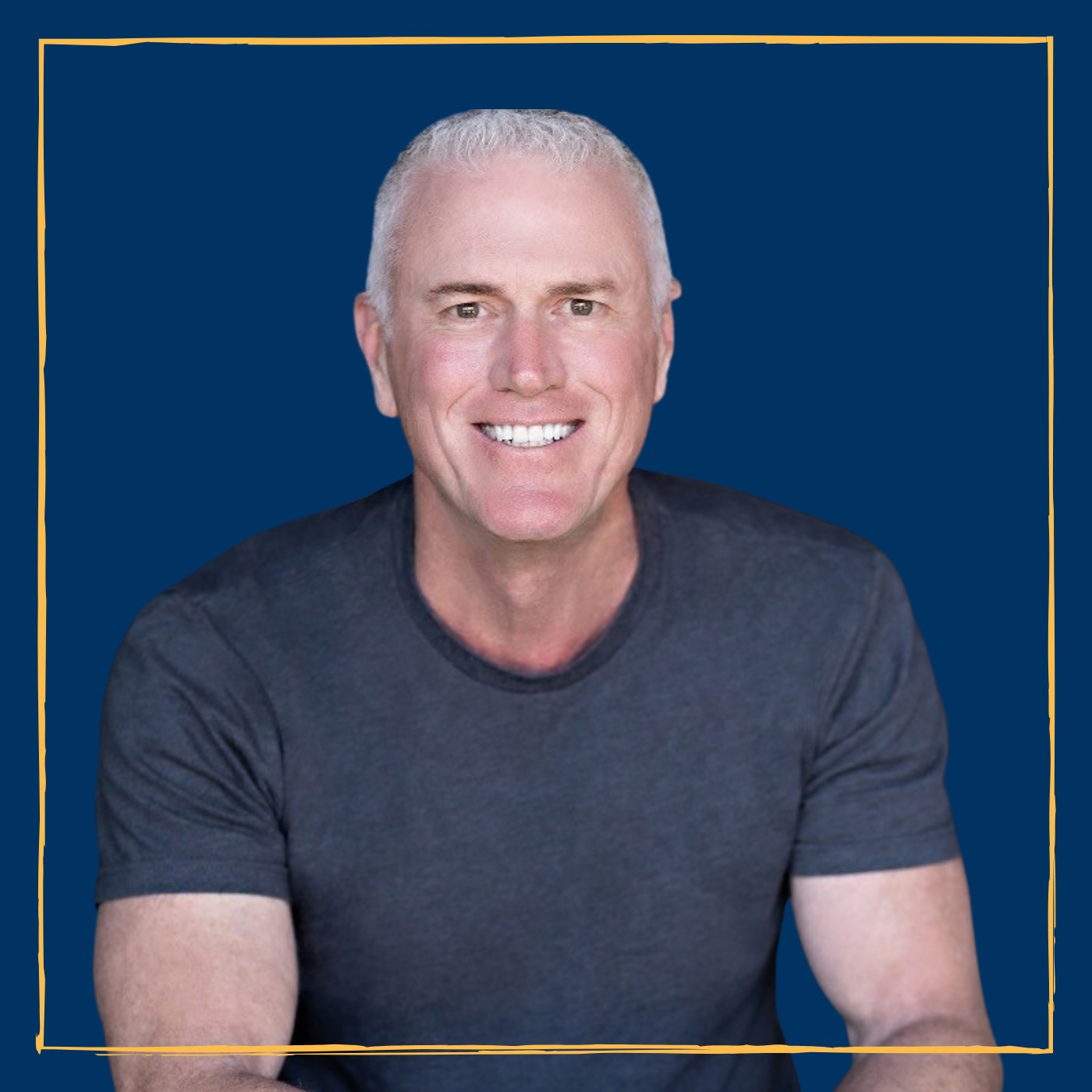
Leading People Series: People First, Growth Always: Leadership Lessons on Culture, Feedback, and Scaling Organizations
On this episode of the Here@Haas podcast, meet Dave Alberga, a former Army officer and successful founder, CEO, and investor who sits on several boards. Dave has assisted in the launch of numerous start-up organizations and in their grow…
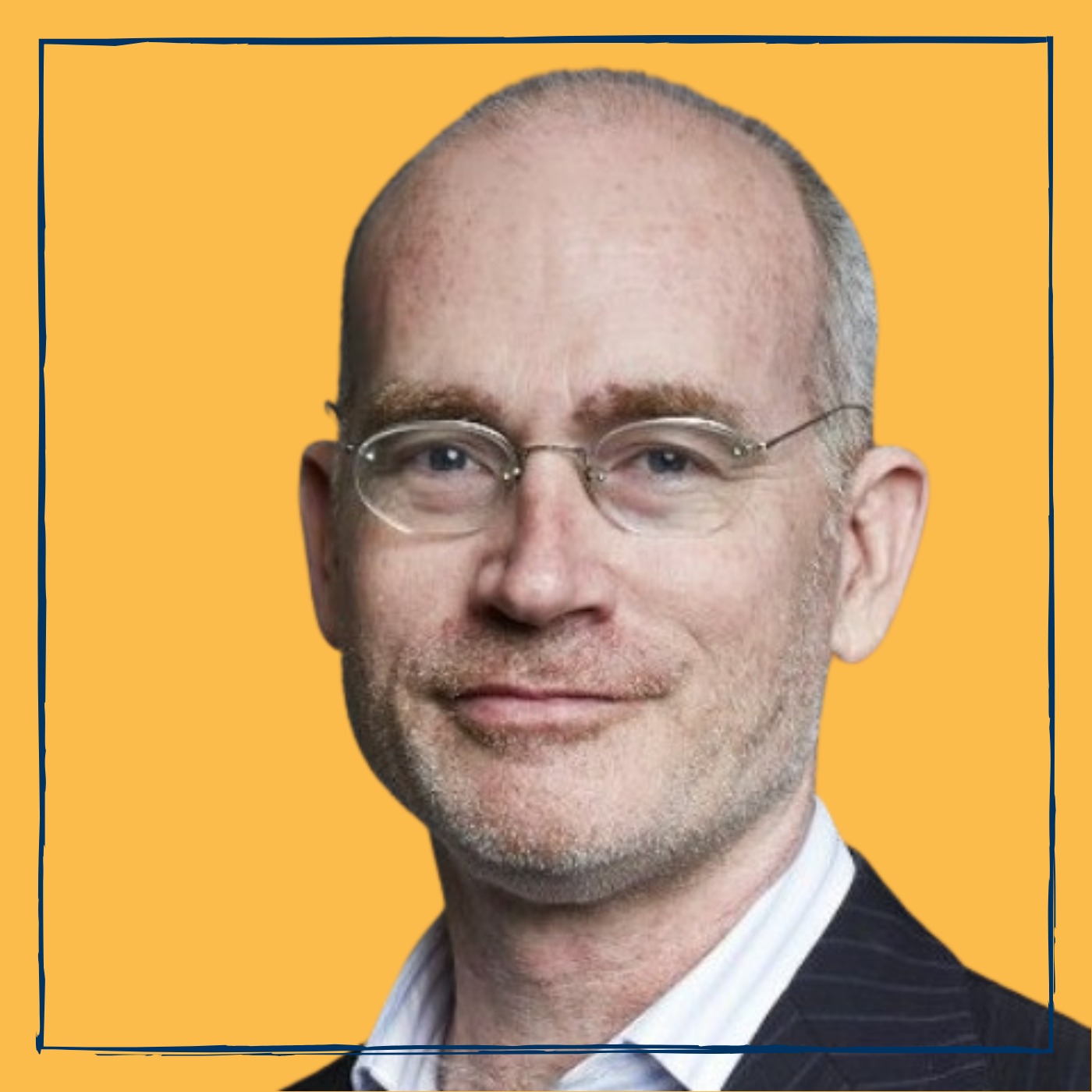
"Professor Series" Part 2: Interdisciplinary Thinking, Innovation, and the Future of AI — A Conversation with Professor Greg LaBlanc
In this episode of Here@Haas, Michele and Vance kick off a new faculty series with one of Haas’ most celebrated educators: Distinguished Teaching Fellow Greg LaBlanc. Known for his dynamic classes on strategy, game theory, and behavioral…
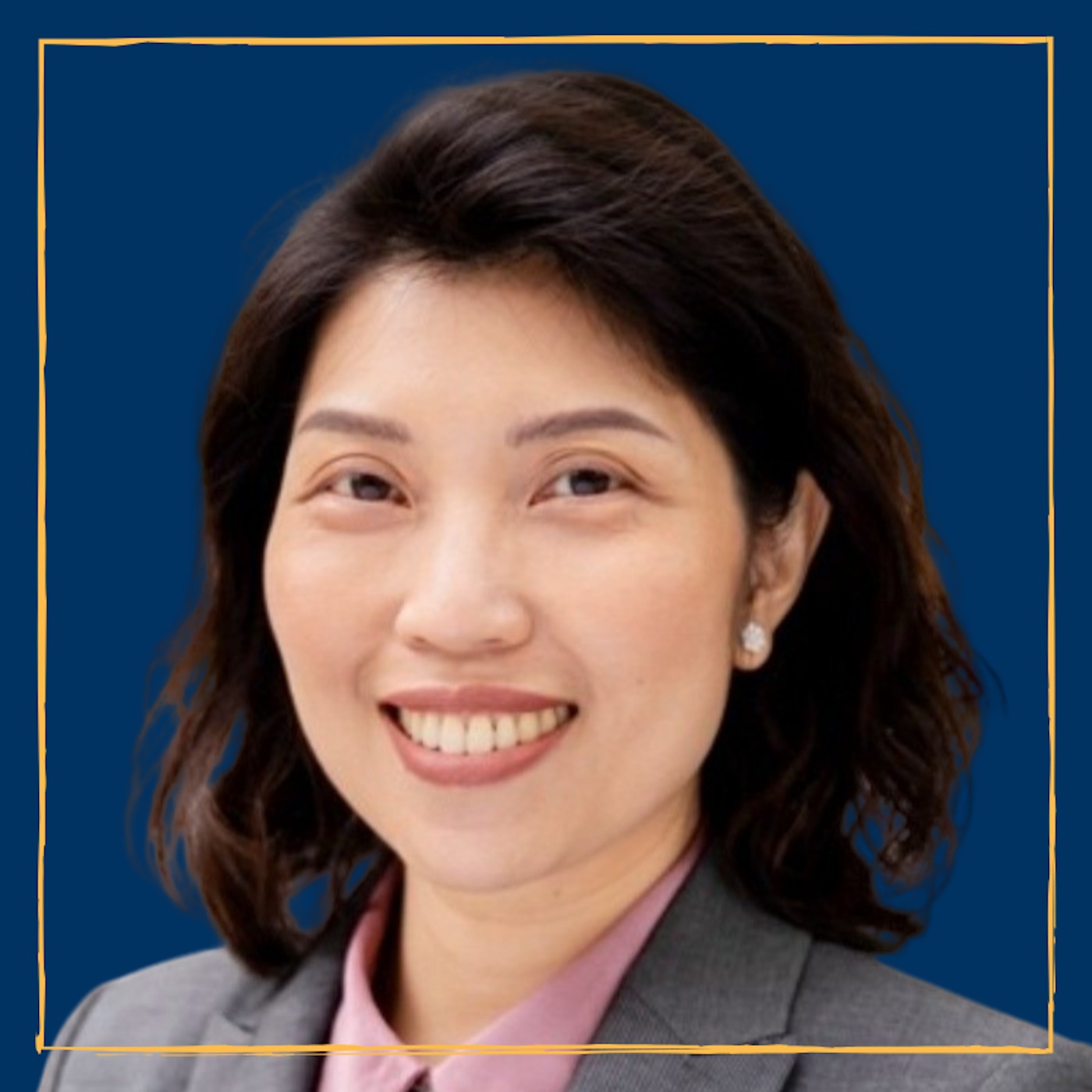
"Professor Series" Part 1: The Long Game of Impact: Jeep Kline on Purpose, Resilience, and Building an Inclusive Tech Future
In this episode of Here@Haas , we sit down with the remarkable Jeep Kline — Haas lecturer, founder and managing partner of Raise Well Ventures , and former World Bank economist whose career spans deep-tech venture capital, global economi…